Ron Rogness , January 19, 2024
2024 Wild Alaska Pollock A Season Starting January 20th
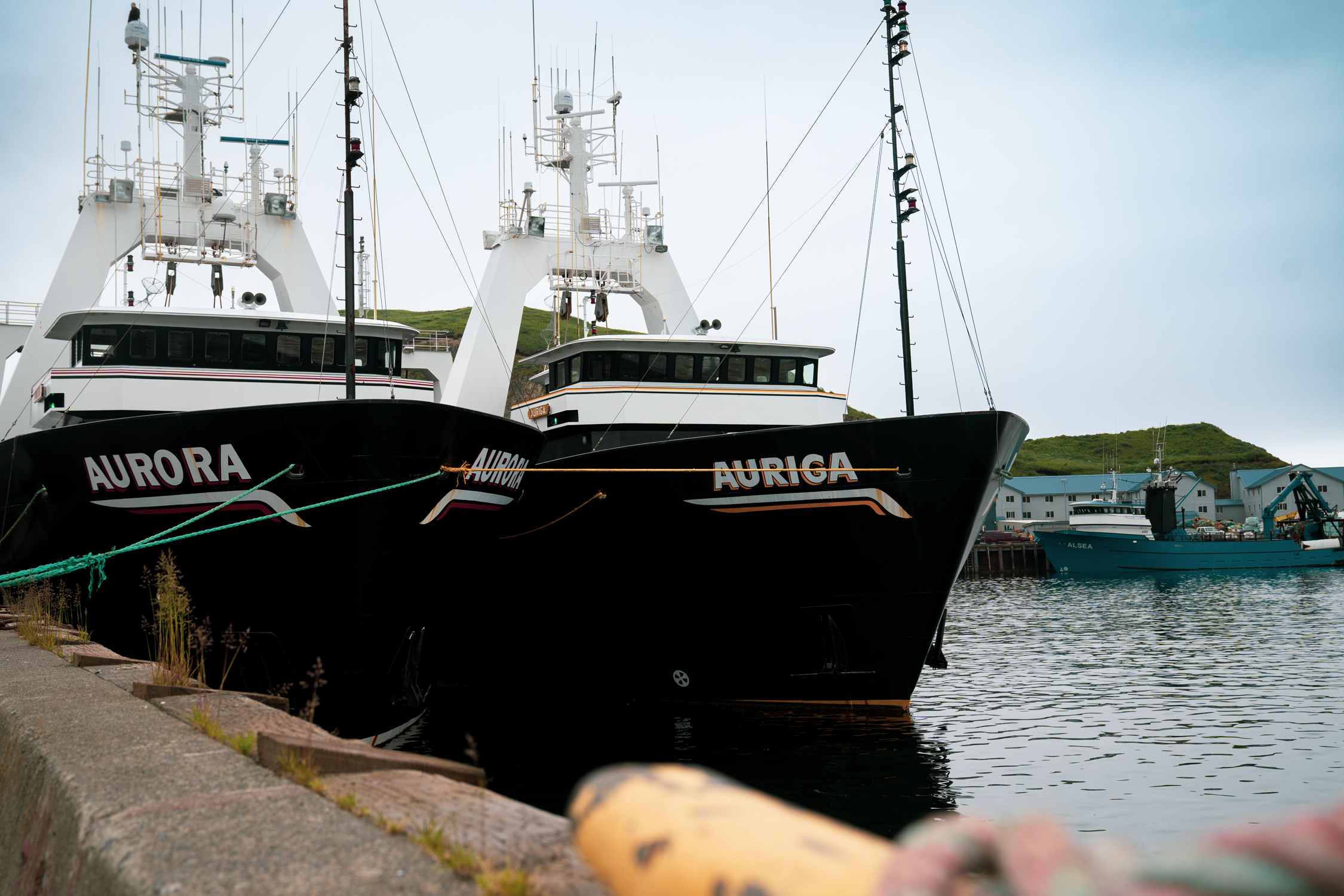
This week, the intrepid men and women of the Bering Sea Wild Alaska Pollock fishery will once again begin catching and processing Wild Alaska Pollock in the 2024 A Season. Awaiting the fishermen is a more than 10 million metric ton (that’s more than 22 BILLION pound) biomass that spawns near Dutch Harbor/Unalaska in February and March. Females within that biomass are now developing the precious roe products that, once processed, will be delivered to overseas markets, primarily Korea and Japan. Not to be overlooked is the Gulf of Alaska Wild Alaska Pollock fishery that will be fishing on a separate spawning biomass, mostly in the waters between Kodiak Island and the mainland of Alaska and around the Shumagin Islands. This year’s A season Gulf quota is just over 90,000 mt. Combined, fishermen in the Bering Sea and Gulf of Alaska will catch close to 650,000 mt of Wild Alaska Pollock that will be made into approximately 200,000 mt of high-quality frozen products (including around 15,000 mt of roe), in addition to fish meal and fish oil that allows them to use almost the entire catch.
It is a testament to the hard work and dedication of the People of Wild Alaska Pollock and the efficiency of the fishing and processing operations that this will be accomplished in about 70 days. Last year, the peak of the Bering Sea A season fishery occurred around March 10th, where they recorded an astounding 63,000 mt of Wild Alaska Pollock across all the sectors in one week. The fishermen will be catching primarily 6-year-old fish that should produce good product yields when processed.
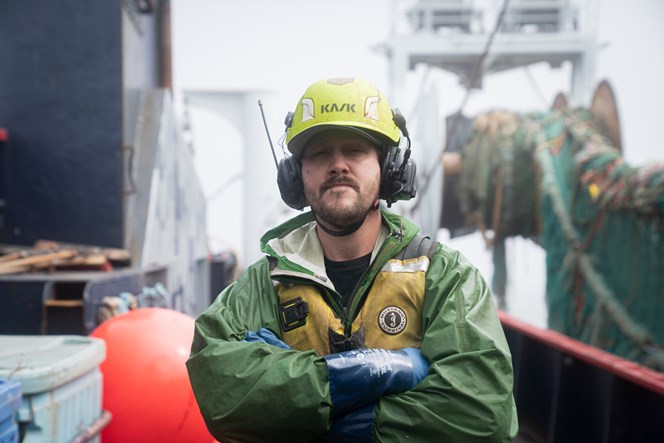
Not surprisingly, the weather is not always benign in these northern waters in the winter and working conditions can be extremely challenging. Unalaska/Dutch Harbor and Akutan, the forecast for the three Alaskan coastal communities where most of the Bering Sea fishing vessels deliver their catch, and whose economies rely heavily on the Wild Alaska Pollock fishery, is for opening wind gusts in excess of 40 miles per hour for the opening weekend. We wish all the men and women who accept the challenge and embrace life at sea to produce close to a billion pounds of healthful, high-quality and sustainably caught seafood, a safe and productive A season!

